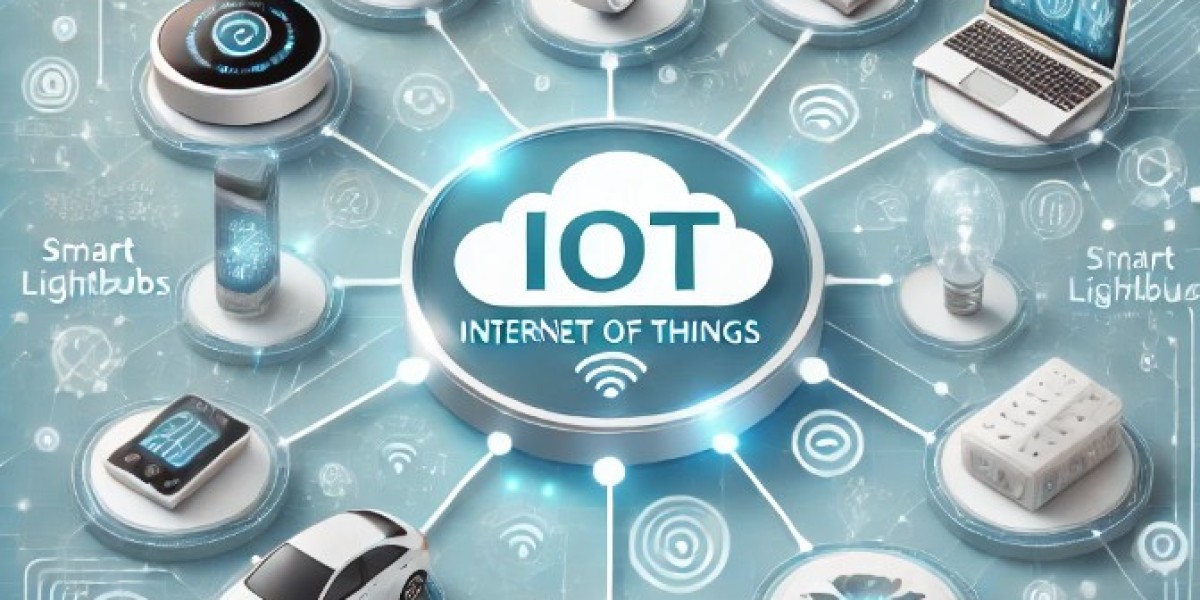

Over the past decade, the Internet of Things (IoT) has moved from futuristic concept to practical reality. Tiny sensors, connected devices, cloud analytics, and intelligent automation are finding their way into cities, farms, factories, hospitals, and homes. What makes this movement powerful is its quiet efficiency — IoT doesn’t shout; it simply works in the background to make systems smarter, faster, and more responsive.
From Devices to Intelligent Systems
At the core of IoT are devices that collect and transmit data. These could be temperature probes in a warehouse, soil sensors in agriculture, GPS trackers on delivery vehicles, or smart meters monitoring electricity usage. But hardware alone is not the full story. The magic happens when data flows to platforms that analyze, visualize, and act upon it.
Once insights are generated, organizations begin to automate decisions. Cooling units adjust before overheating. Delivery routes change to avoid traffic. Machines schedule maintenance before breaking down. This shift from reactive management to proactive intelligence is transforming industries globally, including technology ecosystems led by innovators such as the Best IoT Company in South Africa working to modernize logistics, agriculture, and energy management.
Smart Cities: Connected Infrastructure for Citizens
Urbanization has created intense pressure on traffic, energy, and public services. IoT brings structure and visibility to these challenges. City planners deploy smart lighting systems that dim when streets are empty and brighten as pedestrians approach. Waste bins notify collection services when they are full. Public transportation tracks passenger flow and adjusts schedules.
When systems communicate with each other, the result is not just convenience — it is sustainability. Lower emissions, reduced congestion, and better use of resources build healthier, more livable cities. Over time, connected infrastructure also produces a valuable historical record that helps leaders make smarter policy decisions.
IoT in Industry and Manufacturing
Factories once relied heavily on manual inspections and periodic maintenance schedules. Today, connected sensors track vibration, temperature, pressure, and operating cycles in real time. Any abnormal behavior triggers alerts. This is known as predictive maintenance — and it prevents costly breakdowns and downtime.
Robotics, automated conveyors, and warehouse management systems are also increasingly integrated with IoT platforms. The outcome is synchronized production where everything — from raw material intake to final packaging — is optimized through data. For businesses, that means higher output, lower waste, and improved product quality.
Healthcare: Data That Saves Lives
Healthcare illustrates the human side of IoT. Wearable devices track heart rate, oxygen levels, sleep cycles, and physical activity. Remote patient monitoring tools allow doctors to observe chronic conditions without requiring constant hospital visits. Smart medication dispensers remind patients to take doses on time.
In hospitals, connected devices help manage medical assets, monitor critical patients, and reduce human error. When combined with AI, IoT data can reveal early warning signs of illness — long before symptoms become severe. By improving prevention and response, technology becomes an invisible partner in patient care.
Agriculture and Food Security
Feeding a growing global population requires precision and efficiency. IoT enables farmers to track soil moisture, humidity, light, and nutrient levels with incredible accuracy. Irrigation systems activate only where needed. Fertilizer distribution becomes targeted instead of uniform. Drones survey crops, and automated systems alert farmers to pests or diseases before large-scale damage occurs.
These innovations reduce water usage, cut costs, and increase crop yields. As climate patterns shift, data-driven farming is becoming essential to resilience and food security.
Security and Responsibility in a Connected World
With billions of devices online, cybersecurity has become more critical than ever. Poorly secured devices can be hacked, misused, or turned into attack networks. Responsible IoT design prioritizes encryption, authentication, and regular software updates. Ethical data handling is equally important: users should understand what information is collected and how it will be used.
Forward-thinking organizations and innovators — including technology leaders like the Best IoT Company in Israel — emphasize secure architectures, scalable platforms, and strong privacy practices as foundational principles, not afterthoughts.
The Road Ahead
IoT is still evolving. Edge computing will process more data locally. Artificial intelligence will make systems even more autonomous. 5G connectivity will enable faster, richer communication between devices. As technology matures, it will become more invisible — quietly woven into homes, workplaces, and cities.
Yet the true success of IoT will not be measured only by devices deployed, but by value created: safer transportation, healthier communities, cleaner environments, and businesses that operate with greater intelligence and purpose.