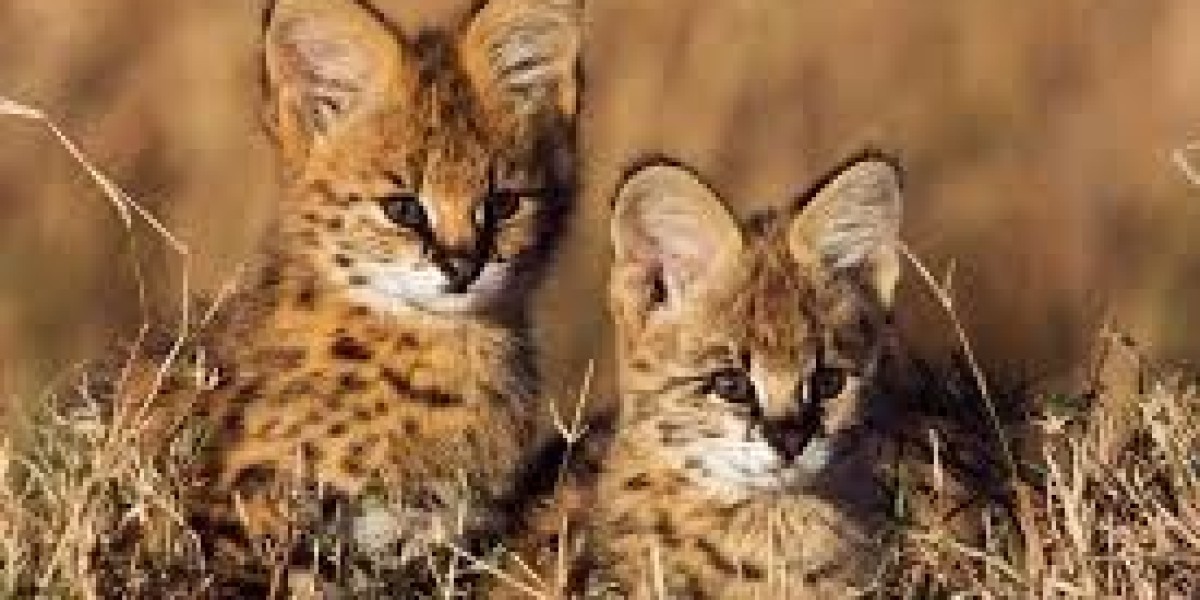

A Serval Kitten is an exotic and fascinating animal, instantly captivating with its long legs, large ears, and striking spotted coat. Native to Africa, servals are wild cats with unique instincts, high energy levels, and a need for specialized care. Bringing a serval kitten into your home is a major commitment and requires careful preparation, a safe environment, and an understanding of its natural behaviors.
While they are incredibly charming and playful, servals are not typical domestic cats. Their wild instincts influence everything from diet to exercise needs and social interactions. Responsible ownership involves learning about their behavior, health requirements, and environmental needs to ensure a happy, well-adjusted animal.
Understanding Serval Kittens: Facts and Characteristics
Physical Traits
Serval kittens are immediately recognizable due to:
Large, expressive ears that aid in hunting
Long, slender legs and a short tail
Distinctive golden coat with black spots and stripes
These physical features give them agility and stealth in hunting, a trait they retain even when raised as domestic pets.
Behavioral Traits
High energy and curiosity
Strong predatory instincts
Vocalizations including chirps, purrs, and growls
Preference for vertical spaces and climbing
Servals thrive in enriched environments that provide mental stimulation and physical activity.
Health and Veterinary Care for Serval Kittens
Early veterinary care is crucial for ensuring the long-term health of a serval kitten. Routine checkups, vaccinations, and parasite prevention are essential. Exotic pet veterinarians can provide guidance on nutrition, development, and common health issues.
Facilities like Park Hills Animal Hospital are well-equipped to offer specialized care for exotic cats, including servals. They can provide advice on diet planning, vaccination schedules, and strategies to prevent common behavioral or medical issues.
Routine Health Measures
Initial veterinary evaluation after adoption
Vaccinations tailored to exotic cats
Deworming and flea prevention
Regular weight and growth monitoring
Early intervention and proper healthcare protocols help prevent complications associated with captive servals.
Feeding and Nutrition
Diet Requirements
Serval kittens have high-protein diets, reflecting their carnivorous nature. A balanced diet may include:
Raw or cooked meat (chicken, turkey, rabbit)
High-quality commercial exotic cat food
Supplements such as taurine to support heart and eye health
Feeding should mimic natural hunting patterns as much as possible, providing small, frequent meals.
Avoiding Common Dietary Mistakes
Do not feed only commercial cat food without supplementation
Avoid dairy products as most servals are lactose intolerant
Never give processed human foods or sugary treats
Proper nutrition supports growth, energy levels, and overall health.
Creating a Serval-Friendly Environment
Space and Enrichment
Serval kittens require large, secure spaces that allow running, climbing, and jumping. Environmental enrichment helps prevent destructive behaviors stemming from boredom. Suggested enrichment includes:
Vertical climbing structures
Interactive toys mimicking hunting
Safe outdoor enclosures or large indoor play areas
Safety Precautions
Ensure all windows, doors, and gates are secure
Remove toxic plants and dangerous objects
Supervise interactions with other pets and children
Providing a stimulating and safe environment reduces stress and encourages healthy development.
Socialization and Behavior Management
Early Socialization
Introducing your serval kitten to humans, other pets, and everyday household activities at a young age is key. Positive reinforcement training helps them adapt to domestic life while retaining natural behaviors.
Training Strategies
Basic commands using treats and rewards
Encouraging play that mimics hunting instincts
Using consistent routines to establish boundaries
Behavioral management requires patience and consistency due to the serval’s independent and intelligent nature.
Understanding Wild Instincts
Servals are wild animals at heart. Even when raised as kittens, they retain hunting instincts, including:
Stalking and pouncing behaviors
Sudden bursts of energy and play attacks
Sensitivity to unfamiliar animals and environments
Owners must respect these instincts and provide outlets for safe expression.
Serval Kitten Growth and Development
Physical Growth
Serval kittens grow rapidly during the first year of life, with long limbs and increased coordination. Their agility and jumping ability become noticeable early, requiring appropriate space and environmental challenges.
Behavioral Maturity
Kittens are playful and curious in the first few months
Social interactions with humans become stronger with positive reinforcement
Around 12–18 months, servals reach sexual maturity, which may influence behavior and territorial instincts
Understanding growth stages helps owners provide proper care and anticipate behavioral changes.
Health Challenges and Warning Signs
Serval kittens may be prone to certain health issues, such as:
Upper respiratory infections
Gastrointestinal sensitivities
Parasite infestations
Signs of illness include lethargy, loss of appetite, coughing, sneezing, or unusual behavior. Immediate veterinary attention is crucial if these symptoms appear.
Legal and Ethical Considerations
Owning a serval kitten is heavily regulated in many regions due to their exotic status. Owners should:
Check local and state laws regarding exotic pet ownership
Obtain required permits or licenses
Ensure ethical acquisition from reputable breeders
Responsible ownership protects the animal, the public, and ensures compliance with legal requirements.
Grooming and Daily Care
Coat Care
Serval kittens have short, dense fur that requires minimal grooming. Brushing once or twice a week removes loose hairs and maintains coat health.
Nail and Dental Care
Regular nail trimming is essential to prevent injuries
Providing appropriate chew toys supports dental health
Occasional professional dental checkups can prevent long-term issues
Daily observation of hygiene and health ensures early detection of potential problems.
Preparing for Adult Life
Transition to Adulthood
As servals mature, their energy levels and strength increase. Owners must continue providing:
Secure, enriched environments
Regular veterinary care
Socialization and training reinforcement
Failure to meet these needs can result in stress, destructive behavior, or health problems.
Planning for Longevity
Servals can live up to 20 years in captivity with proper care. Long-term planning for diet, exercise, medical care, and environmental needs is essential for a healthy, fulfilled life.
Conclusion: Responsible Serval Kitten Ownership
Bringing a Serval Kitten into your home is a rewarding experience but comes with significant responsibilities. Understanding their diet, social needs, growth stages, and health requirements is essential for fostering a happy and healthy pet. Regular veterinary care, proper nutrition, and a safe, stimulating environment help ensure long-term well-being.
With guidance from specialized veterinarians and facilities like Park Hills Animal Hospital, serval owners can navigate the challenges of exotic pet ownership responsibly. Educated, prepared, and committed owners can enjoy the unique companionship of these beautiful wild cats while prioritizing both safety and ethical care.