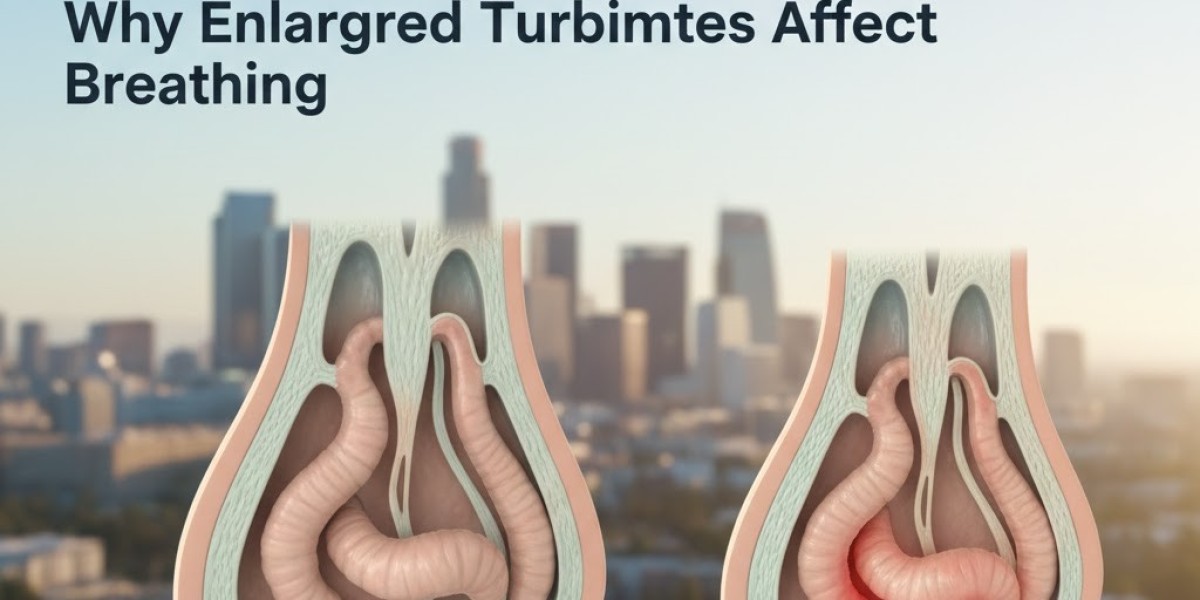

Breathing comfortably through the nose is essential for overall health, sleep quality, and daily comfort. Yet many people in Beverly Hills and Los Angeles struggle with chronic nasal congestion, difficulty breathing, or recurring sinus problems without fully understanding the cause. One often-overlooked structure plays a major role in these symptoms: the nasal turbinates. Understanding what nasal turbinates are, how they function, and why they sometimes become enlarged can help patients make informed decisions about treatment options available in nasal turbinates Los Angeles specialty clinics.
Understanding Nasal Turbinates
Nasal turbinates are long, narrow, curved structures inside the nose, made of bone and covered with soft tissue and mucous membranes. Each nasal cavity contains three turbinates: inferior, middle, and superior. Their primary role is to regulate airflow and condition the air you breathe before it reaches your lungs.
The turbinates warm, humidify, and filter inhaled air. They trap dust, allergens, and bacteria while maintaining optimal moisture levels to protect the delicate tissues of the respiratory system. When functioning normally, you are usually unaware of them. Problems arise when these structures become enlarged or chronically inflamed.
What Causes Enlarged Nasal Turbinates?
Enlarged turbinates, also known as turbinate hypertrophy, occur when the soft tissue lining the turbinates swells. This swelling narrows the nasal passages, making breathing difficult. Common causes include:
- Chronic allergies such as pollen, dust mites, or pet dander
- Non-allergic rhinitis, often triggered by pollution or strong odors
- Environmental factors, including dry air or air pollution common in large urban areas like Los Angeles
- Structural issues, such as a deviated septum, which can cause one turbinate to enlarge to compensate for reduced airflow
- Chronic sinus infections that lead to persistent inflammation
In Beverly Hills and Los Angeles, where environmental allergens and air quality can fluctuate, turbinate hypertrophy is a frequent complaint seen in ENT and sinus clinics.
Symptoms of Enlarged Turbinates
Patients with enlarged turbinates may experience a range of symptoms that can significantly affect quality of life, including:
- Chronic nasal congestion or blockage
- Difficulty breathing through the nose, especially at night
- Mouth breathing and dry mouth
- Snoring or sleep disturbances
- Reduced sense of smell
- Frequent sinus pressure or headaches
Because these symptoms overlap with other nasal conditions, a proper medical evaluation is essential for accurate diagnosis and treatment.
Diagnosis of Turbinate Hypertrophy
ENT specialists in nasal turbinates Los Angeles practices use a combination of patient history, physical examination, and advanced diagnostic tools to assess turbinate size and nasal airflow. Nasal endoscopy allows the physician to visualize the turbinates directly, while imaging studies such as CT scans may be used when sinus disease is suspected.
Accurate diagnosis ensures that treatment targets the true cause of nasal obstruction rather than just managing symptoms.
Non-Surgical Treatment Options
Many patients find relief with conservative, non-surgical treatments, particularly when turbinate enlargement is related to allergies or inflammation. These may include:
- Intranasal corticosteroid sprays to reduce inflammation
- Antihistamines for allergy management
- Saline nasal irrigations to flush out irritants and improve moisture
- Environmental control strategies, such as air purifiers or allergen avoidance
While these treatments can be effective, they may not provide lasting relief for patients with severe or structural turbinate hypertrophy.
When Is Turbinate Reduction Recommended?
If symptoms persist despite medical therapy, turbinate reduction may be recommended. This procedure aims to decrease the size of the turbinates while preserving their important function. Modern techniques focus on minimally invasive approaches that minimize discomfort and downtime.
Turbinate reduction is often performed on its own or in combination with other procedures, such as septoplasty or Endoscopic sinus surgery Los Angeles, depending on the patient’s anatomy and underlying sinus conditions.
Turbinate Reduction and Endoscopic Sinus Surgery
For patients with chronic sinusitis or recurrent sinus infections, enlarged turbinates may coexist with blocked sinus pathways. In these cases, Endoscopic sinus surgery Los Angeles specialists may recommend addressing both issues simultaneously.
Endoscopic sinus surgery uses small cameras and specialized instruments to restore normal sinus drainage while preserving healthy tissue. When combined with turbinate reduction, it can significantly improve airflow, reduce sinus infections, and enhance overall nasal function.
Clinics serving Beverly Hills and Los Angeles emphasize personalized treatment plans, ensuring that each patient receives care tailored to their specific symptoms, lifestyle, and health goals.
Recovery and Long-Term Outcomes
Most patients experience noticeable improvement in nasal breathing within weeks of turbinate reduction or sinus surgery. Recovery is typically straightforward, especially with minimally invasive techniques. Following post-procedure instructions, such as saline rinses and follow-up visits, helps optimize healing and long-term results.
Long-term outcomes are generally positive when treatment is performed by an experienced ENT specialist. Many patients report improved sleep, better exercise tolerance, and reduced reliance on medications.
Choosing the Right Specialist in Los Angeles
Given the complexity of nasal anatomy, choosing a qualified ENT or sinus specialist is critical. Look for clinics in Beverly Hills and Los Angeles that emphasize advanced diagnostic tools, evidence-based treatments, and patient education. A thorough consultation ensures that all contributing factors—such as allergies, septal deviation, or sinus disease—are addressed comprehensively.
FAQs About Nasal Turbinates and Breathing Issues
What are nasal turbinates and why are they important?
Nasal turbinates are structures inside the nose that filter, warm, and humidify the air you breathe. They play a crucial role in protecting the lungs and maintaining healthy nasal function.
Can enlarged turbinates go away on their own?
In some cases, mild turbinate swelling caused by temporary allergies or infections may improve with medication. Chronic or structural enlargement usually requires medical or surgical treatment.
Is turbinate reduction surgery safe?
Yes, when performed by an experienced ENT specialist, turbinate reduction is considered safe and effective. Modern techniques focus on preserving turbinate function while improving airflow.
How do I know if I need Endoscopic sinus surgery Los Angeles treatment?
If you have chronic sinus infections, facial pressure, or persistent congestion that does not respond to medication, your doctor may recommend endoscopic sinus surgery after proper evaluation.
Will turbinate surgery affect my sense of smell?
Most patients do not experience long-term changes in smell. In fact, improved airflow often enhances the sense of smell once nasal obstruction is relieved.